- The Daily Calm | #1 Newsletter for Mindfulness
- Posts
- 6 Simple ways to Practice Mindfulness every day (Even when life is busy)
6 Simple ways to Practice Mindfulness every day (Even when life is busy)
A beginner-friendly guide to mindfulness for busy minds, simple habits for calm, focus, and inner balance

Shinky
February 06, 2026
Mindfulness often sounds like something that needs silence, long meditations, or a perfect routine. In reality, mindfulness is simply the practice of being fully present- right here, right now. No apps, no hours, no special setup required.
When practiced regularly, mindfulness reduces stress, improves focus, calms the nervous system, and helps you respond to life instead of reacting to it. The best part? You can begin with just a few minutes a day.
6 simple practical ways to practice mindfulness:
1. Take a moment to Breathe
Breathing is the fastest way to return to the present moment.
Most of the time, we breathe unconsciously, shallow and rushed, especially when stressed. Mindful breathing gently resets your nervous system.
How to practice:
Pause wherever you are.
Inhale slowly through your nose for 4 seconds.
Hold your breathe for 2 seconds.
Exhale gently through your mouth for 6 seconds.
Repeat for 1-3 minutes.
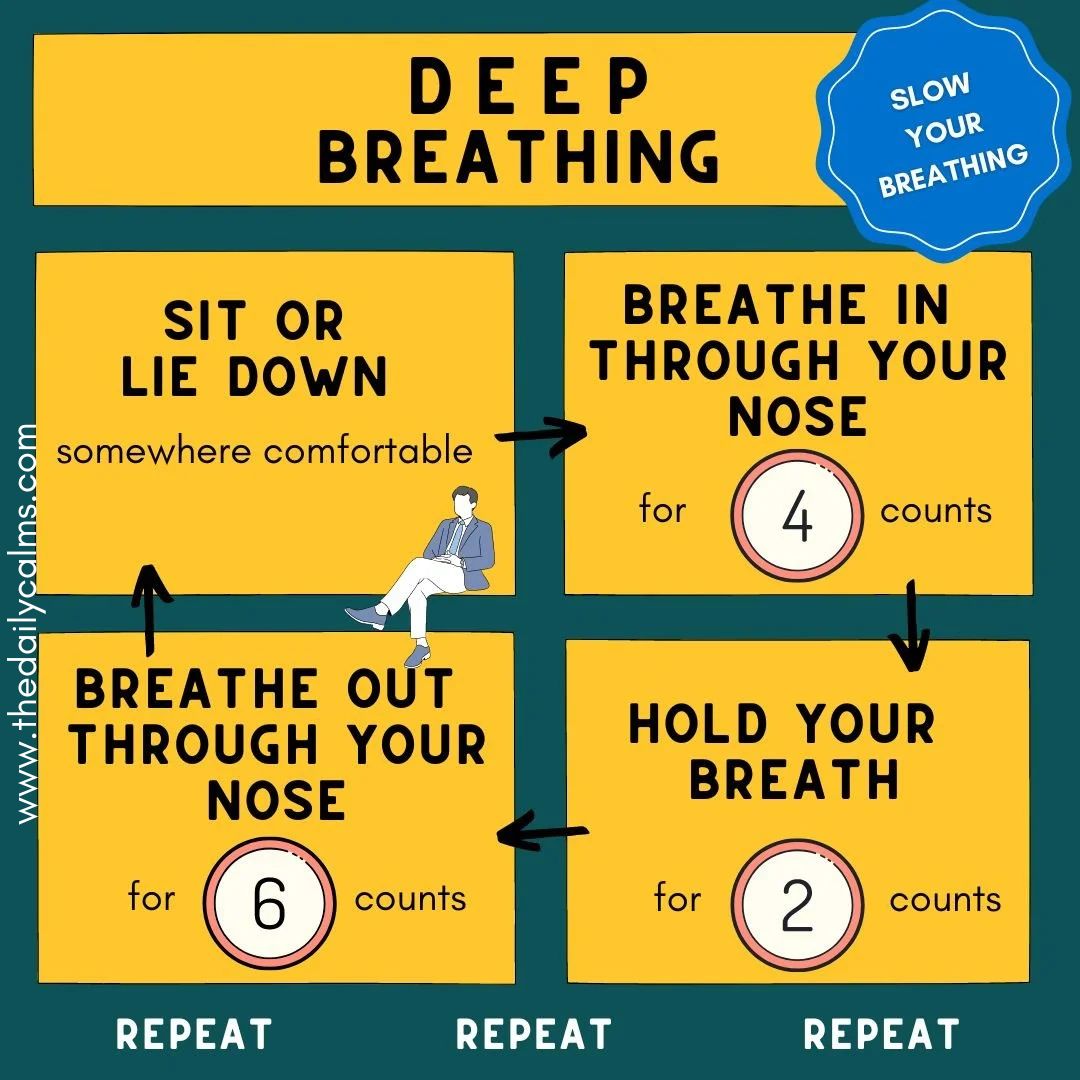
Deep breathing signals safety to the brain, lowering stress hormones and calming racing thoughts.
2. Notice how your Body Feels
Your body is always in the present moment even when your mind is not.
Mindfulness grows when you start listening to physical sensations without judgment.
How to practice:
Take a quick body scan.
Notice your shoulders, jaw, chest, stomach, and feet.
Ask yourself: “Is there tension here?”
Relax what you can, without forcing anything.
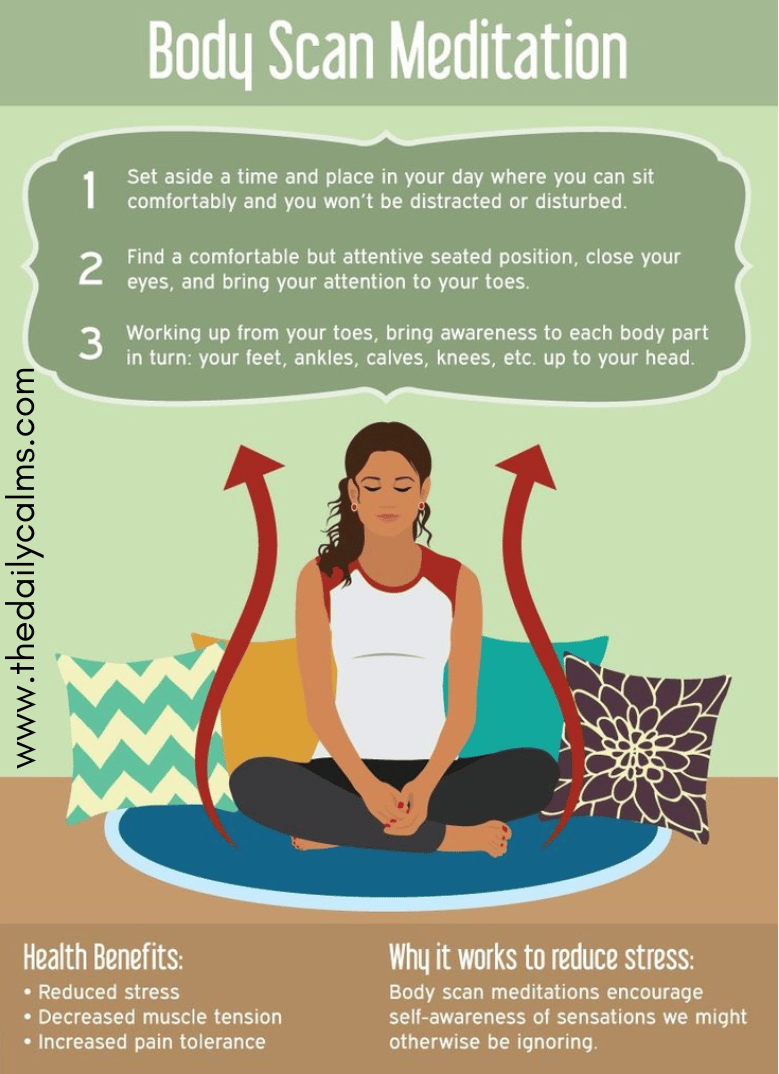
Body awareness helps release stored stress and builds a deeper connection with yourself.
3. Listen to the Sounds around you
Sound-based mindfulness grounds you instantly.
Instead of labeling sounds as “good” or “bad,” simply observe them.
How to practice?
Close your eyes (if possible).
Notice the nearest sound.
Then the farthest sound.
Then all sounds together.

Mindful listening shifts attention outward, breaking the loop of overthinking and mental fatigue.
4. Look at what’s right in front of you
We often see things, but rarely notice them.
Mindful seeing trains your brain to slow down and fully engage with your surroundings.
How to practice:
Pick one object near you (a plant, cup, book, or window).
Observe its color, shape, texture, and details.
Stay with it for 30-60 seconds.
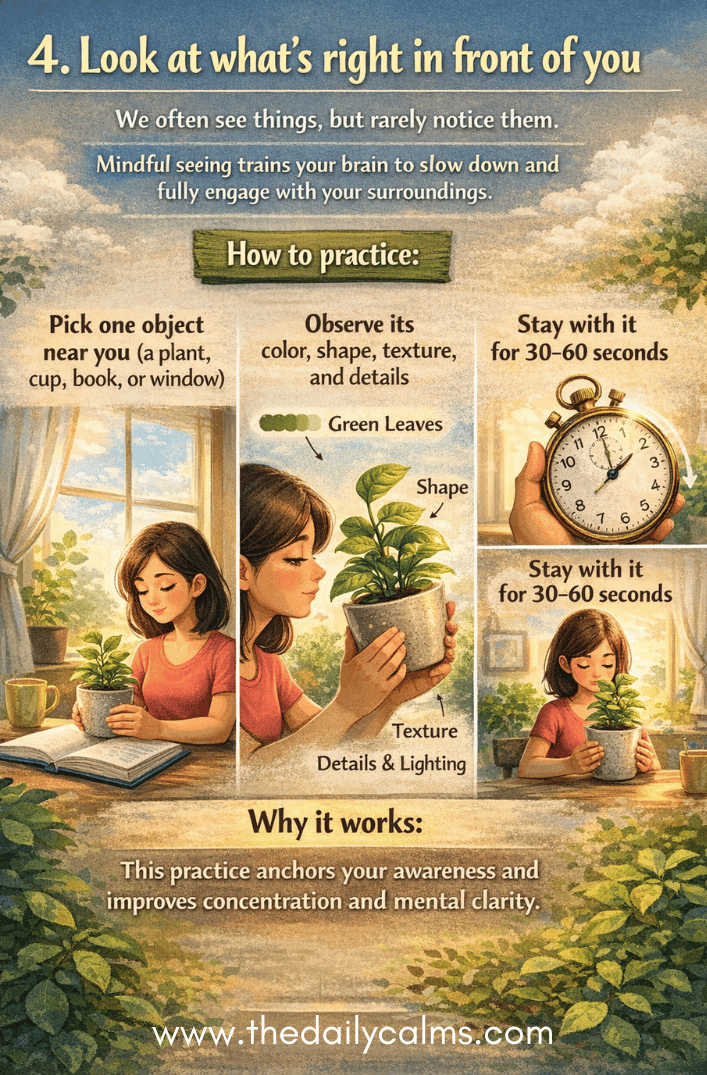
This practice anchors your awareness and improves concentration and mental clarity.
5. Pay attention to your thoughts (Without fighting them)
Mindfulness doesn’t mean stopping thoughts, it means observing them kindly.
How to practice:
Notice a thought as it arises.
Label it gently: “planning,” “worrying,” “remembering.”
Let it pass without judgment.
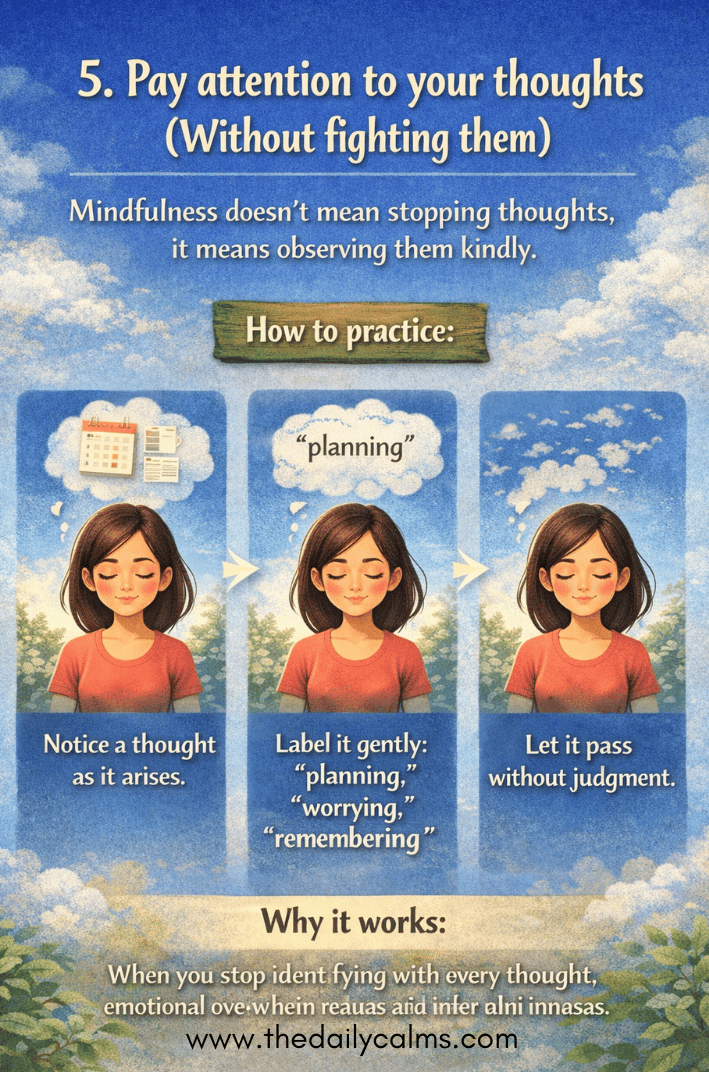
When you stop identifying with every thought, emotional overwhelm reduces and inner calm increases.
6. Be present in whatever you’re doing
Mindfulness isn’t limited to quiet moments, it belongs in everyday life.
How to practice:
While eating: notice taste, texture, and smell.
While walking: feel your feet touching the ground.
While working: focus on one task at a time.

Single-tasking improves efficiency, reduces stress, and brings a sense of peace to daily routines.
How to make Mindfulness a Daily Habit?
Start with 1-2 minutes, not more.
Attach it to an existing habit (after waking up, before meals, before sleep).
Be consistent, not perfect.
Treat mindfulness as a practice, not a performance.
Mindfulness isn’t about changing who you are, it’s about coming back to yourself.
With these 6 simple practices, you don’t need to escape your life to feel calm. You just need to be present in it.
“Start with one today. Small moments of awareness create big shifts over time.”